







Search Results for: sour plum powder
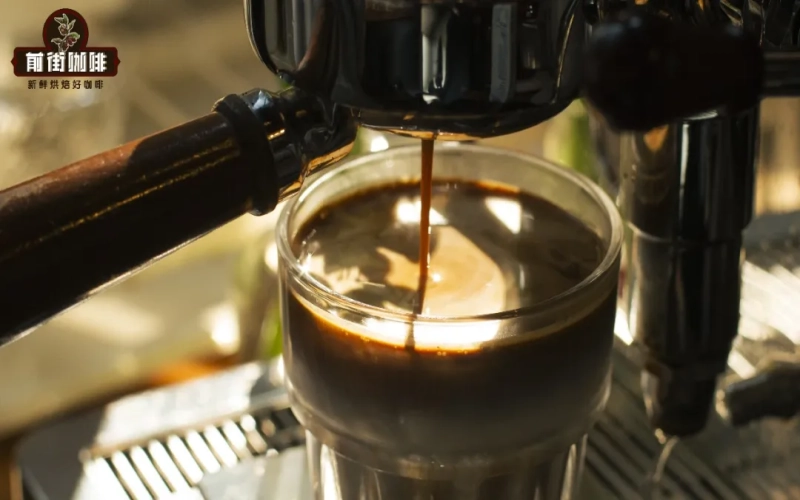
Salted Yuzu Dirty Recipe Detailed Guide: Key Techniques and Ingredient Ratios to Solve Milk Curdling Caused by Yuzu Juice
In recent years, the salted pomelo Dirty has become quite popular online, but many people frequently fail when trying to recreate it at home. The core difficulty lies in the acidity of the pomelo juice, which causes milk proteins to denature and curdle, seriously affecting the taste. Through multiple experiments, Front Street has found a method that is closer to the original: using concentrated pomelo juice combined with sucrose syrup to make a homemade pomelo syrup, then combining it with milk and espresso, and finally sprinkling on sour plum powder to create a unique experience of intertwined salty and sweet flavors. This article will share the complete production parameters and flavor layers of this drink, from material selection, syrup ratios, coffee bean recommendations, to specific operating steps, helping coffee enthusiasts make a rich, well-balanced salted pomelo Dirty at home. [more…]
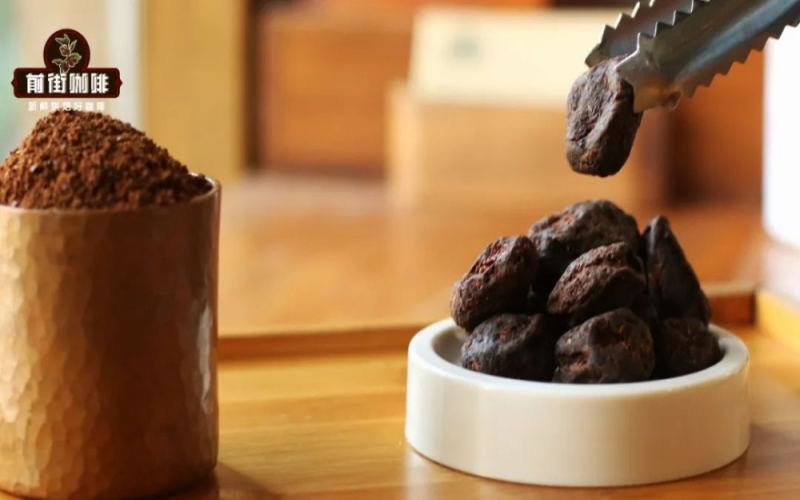
Three Ways to Make Plum Iced Americano: A Flavor Comparison of Cold Brew, Sparkling, and Iced Pour-Over
As a classic snack that weaves together sour, sweet, and salty notes, preserved plum has increasingly found its way into specialty coffee drinks in recent years. Because preserved plums are cured and thus fairly firm in texture, heating or prolonged steeping draws out an intense salty-sour flavor, making them better suited to iced coffee than hot drinks. Front Street Coffee shares three ways to make preserved plum iced coffee: an easy cold brew, a sugar-free sparkling Americano, and a slightly experimental iced pour-over. Each method has its own considerations when it comes to bean selection, the amount of preserved plum, and extraction parameters, and each ultimately presents a different layering of flavors. If you'd like to try the collision of preserved plum and coffee at home, why not pick the one that suits you best from these three approaches. [more…]

Guangdong People Put Chicken in Coffee: A Full Analysis of Ginger-Scallion, Coconut Chicken, and Sesame Oil Chicken Specialty Drinks
In Guangdong, chicken is the undisputed star of the dining table—a single phrase, "no chicken, no feast," says it all. But can you imagine? Guangdong's baristas have actually poured ginger-scallion chicken, coconut chicken, sesame oil Qingping chicken, and even sausage and roast duck right into coffee cups. From ginger juice with cream to mimic the oily texture of chicken skin, to the essence of coconut chicken hot pot condensed into a single specialty drink, to sesame oil and vodka colliding to create the aroma of ginger-scallion poached chicken, these wildly imaginative creative coffees are upending people's understanding of coffee. This article takes you through tasting these "so weird you want to try them" Cantonese specialty drinks one by one, to feel the wondrous sparks struck by the collision of coffee and Cantonese cuisine. For more specialty coffee bean news, welcome to follow Coffee Workshop and Front Street Coffee. [more…]

Filter Coffee Brands | Which Is Healthier: Drip Bag Coffee or Instant Coffee? Recommended Single-Origin Drip Bag Coffee Packs from Representative Coffee Regions for Beginners
In today's world, drip bags and instant coffee are readily available everywhere, yet the impressions they give people are completely different. Instant coffee uses dissolve-and-extract technology and has added saccharin and milk powder, so its flavor is very monotonous; drip bags, on the other hand, are made by pre-grinding freshly roasted coffee beans into powder and then putting it into a filter bag. Compared with instant coffee, drip bags can not only [more…]
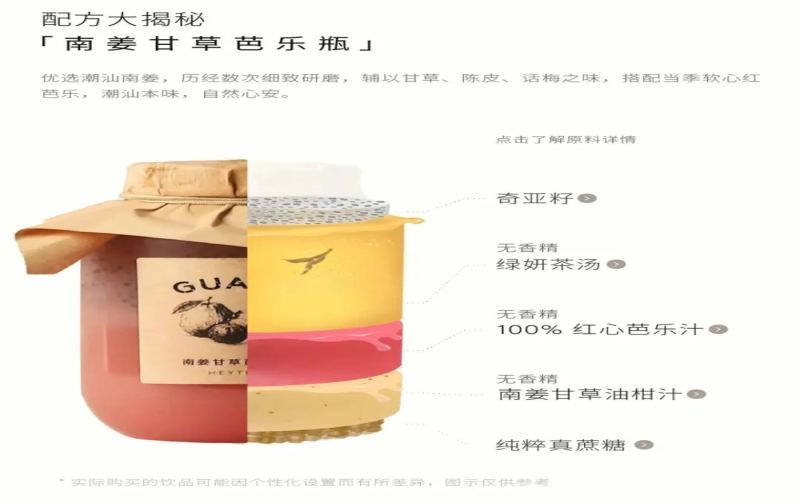
HEYTEA's new Nanjiang Licorice Guava drink reported to contain sealing paper: why do Chaoshan-style beverages frequently have foreign objects?
In late February, Heytea launched a new product inspired by Chaoshan licorice fruit, the "Nanjiang Licorice Guava Bottle," mixing guava juice, nanjiang plum powder, licorice powder, dried tangerine peel powder, and preserved plum powder with a tea base and oil mandarin juice, in an effort to replicate the flavor of street-side licorice fruit. However, after this distinctly Chaoshan-flavored new product hit the market, controversy has been continuous: Chaoshan consumers generally reported that they could not taste the nanjiang flavor they remembered, while customers from outside the Chaoshan region were full of doubts about how strong the ginger flavor was and whether it was spicy. More notably, multiple consumers drank a complete round sealing paper from the bottle, suspected to be caused by the double-layer sealing design allowing the paper to be pushed into the drink by the straw. Heytea customer service responded that the paper is a food-contact-grade material and does not affect consumption. This article will sort out the development approach, packaging design, and the ins and outs of the foreign object incident for this new product. [more…]

Drip Coffee Bag Buying Guide: Flavor Analysis and Brewing Tips for Ten High-Value Single-Origin Picks from Front Street Coffee
Although drip bag coffee and instant coffee are both convenient, their essential differences are significant. Instant coffee, due to its dissolution and extraction process and the frequent addition of sugar and creamer, has a flat taste; drip bag coffee, on the other hand, uses freshly roasted coffee beans that are ground and packed into bags, offering rich flavor layers and containing no extra sugar or milk, better meeting health needs. Starting from the differences in coffee origins and flavors, this article systematically organizes ten high-value drip bag coffee packs from the Front Street brand, covering producing regions such as Yirgacheffe, Rwanda, Mandheling, Panama, Brazil, Colombia, Papua New Guinea, Yunnan, Kenya, and Costa Rica, explaining one by one the altitude, variety, processing method, and flavor characteristics. It also provides the standard brewing process for drip bag coffee, including the coffee-to-water ratio, water temperature control, and staged pouring techniques, helping enthusiasts easily recreate a good cup of coffee. [more…]
An Analysis of the Differences Between Drip Bag Coffee and Instant Coffee, with Ten Front Street Drip Bag Coffee Recommendations and a Brewing Guide
Although drip bag coffee and instant coffee are both convenient and quick, they are worlds apart in terms of production process and drinking experience. Instant coffee undergoes dissolution and extraction and has saccharin and milk powder added, giving it a rather one-dimensional flavor; drip bag coffee, by contrast, is made by grinding freshly roasted coffee beans and sealing them in bags, offering not only a rich variety to choose from but also a fuller coffee aroma to savor. Since drip bag coffee contains no milk or sugar, it helps promote intestinal peristalsis and reduce swelling to some extent, and when combined with exercise it is even more beneficial for fat loss. This article compiles ten Front Street drip bag coffees from different regions and with different flavors for reference when shopping, and includes detailed step-by-step instructions for making pour-over drip bag coffee, helping coffee lovers easily brew a good cup of coffee. [more…]
Kenyan Pour-Over Coffee Beans: Flavor Characteristics, Growing Regions, and Processing Methods Explained — SL28 and SL34 Varieties and the K72 Washing Process
Kenyan coffee is renowned for its full, solid fruity acidity and juicy mouthfeel, making it a favorite among sour-coffee lovers. Front Street Kenya coffee beans use the two classic varieties SL28 and SL34, sourced from the Asali Honey Processing Plant in the Thika region, and employ a unique 72-hour fermentation washed processing method (K72), presenting intense aromas of cherry tomato, black plum, snow pear, and berries. This article will systematically explain how to brew a good cup of Front Street Kenya coffee, from Kenya's growing environment, coffee variety characteristics, and post-processing methods, to the pour-over parameters of grind size, water temperature, coffee-to-water ratio, and pouring technique. [more…]
Comparison of Yunnan Typica and Catimor Varieties: Flavor Characteristics of Arabica Coffee and Moka Pot Brewing Guide
In the history of coffee cultivation in Yunnan, Typica and Catimor are two varieties that cannot be overlooked. The former is the pure Arabica bloodline first brought to Yunnan by French missionaries, with an elegant and clean flavor, yet it was once abandoned due to its weak constitution and low yield; the latter, because of its strong disease resistance, ease of cultivation, and high yield, became the main force in Yunnan coffee's revival, but its flavor is limited due to its Robusta genes. Front Street Coffee has been cultivating Typica in Lincang, Yunnan, at an altitude of 1,300 meters since 2013, using traditional sun-drying to present layers of plum, berry, nut, and brown sugar notes. This article will cover the origins of the varieties, flavor differences, and practical details of using a moka pot, helping coffee enthusiasts fully understand the potential of Yunnan beans and the correct brewing methods. [more…]
Kenya Coffee Bean Brewing Tutorial Sharing
With the rise and popularity of the specialty coffee concept, emphasizing the flavor of origin—that is, the taste of the bean itself—has become a consensus, at least among some people. And after 2000, the third wave emphasized origin and light-roast flavors, and many single-origin coffees became increasingly well known. Among them, Kenyan coffee is known for its bright acidity. [more…]
A curated guide to light-roast coffee beans: flavor profile analysis and practical pour-over parameter recommendations
The flavor profile of pour-over coffee is often foreshadowed at the bean selection stage, and the roast level is the most critical part of it. Light-roasted coffee beans, due to shorter roasting time and lighter dehydration, retain more of their original floral and fruity aromas and organic acids, presenting a bright and richly layered cup performance. However, many friends who have just encountered light-roasted beans often have a misunderstanding, thinking that light roast equals sour and hard to swallow. In fact, a high-quality light roast coffee should be in a balanced state of sweetness within the acidity, weak bitterness, and elegant aroma. This article will start from the definition of light-roasted beans, introduce five Front Street light-roasted coffee beans suitable for beginners one by one, and include a complete three-stage pour-over operation process and parameter suggestions to help you more calmly extract the ideal flavor of light-roasted coffee. [more…]
A Complete Analysis of Yunnan Small Bean Coffee Flavor and Taste: From Origin Terroir to Front Street Brand Brewing and Grinding Recommendations
Yunnan is China's largest coffee-producing region, accounting for 95% of the country's total output. Its small-bean coffee is actually of the Arabica variety, with a neutral and slightly acidic flavor profile that suits the general public's taste. This article begins with Yunnan coffee's growing environment and variety evolution, then focuses on Front Street Coffee's products such as washed Catimor, natural Catimor, and 2013 natural Typica, and explains in detail the brewing parameters under medium roast, grind settings, staged extraction techniques, and the flavor performance of each coffee, helping coffee lovers gain a comprehensive understanding of the taste characteristics and brewing key points of Yunnan small-bean coffee. [more…]

How to Avoid Sourness in Latte Coffee: A Full Analysis of Bean Selection, Roast Level, and Brewing Parameters
Latte is the least bitter among espresso-based specialty coffees, but if the beans are poorly chosen or extraction is improper, sourness will become prominent. This article starts with the roast level of coffee beans, explaining why medium or medium-dark roasts are best suited for lattes, and provides a standard preparation process and parameters. At the same time, for different flavor preferences, it recommends Front Street Specialty Blend, Dark Cocoa Base Blend, and Classic Blend espresso beans, respectively satisfying the needs for nutty notes, balanced taste, and latte art practice, helping you make a cup of latte at home that is not sour and full of aroma. [more…]

Yunnan Catimor Coffee Bean Flavor Analysis and Roasting Tips: A Complete Guide to the Taste Characteristics of Arabica Coffee
Yunnan coffee has gradually come into the public eye in recent years, but many people are still curious: does Yunnan coffee actually taste good? In fact, the flavor of a cup of coffee is influenced by multiple factors such as variety, growing region environment, processing method, roasting, and brewing. This article focuses on Yunnan Catimor coffee beans, outlining their varietal origins, main growing regions, and washed processing characteristics, and shares Front Street Coffee's roasting curve and brewing parameter recommendations, helping coffee enthusiasts gain a comprehensive understanding of the flavor characteristics and production key points of Yunnan small-bean coffee, while also comparing the flavor differences with the Typica variety. [more…]
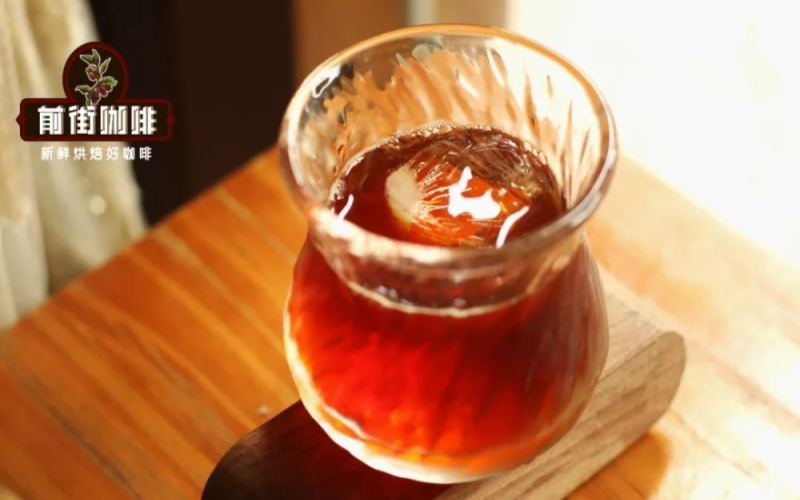
Fruit-Infused Cold Brew Coffee Pairing Experiments: Four Recipes, Flavor Comparison, and a Coconut Cold Brew Latte Recipe
Under the framework of cold brew coffee's low-temperature slow steeping, there are inherently few adjustable variables—just water volume, water temperature, grind size, and steeping method. But if fruit is brought into the steeping process as well, could it open up new flavor territory? Front Street paired blueberries, grapes, lemons, and peaches with four coffee beans of different character profiles, ran a round of fruit cold brew experiments, and recorded the aroma, mouthfeel, and pros and cons of each group. In addition, it extended into mixing ideas for cold brew lattes, sparkling cold brew, and coconut water cold brew, and summarized the types of fruit suitable for steeping and the direction for choosing coffee beans, as a reference for recreating them at home. [more…]
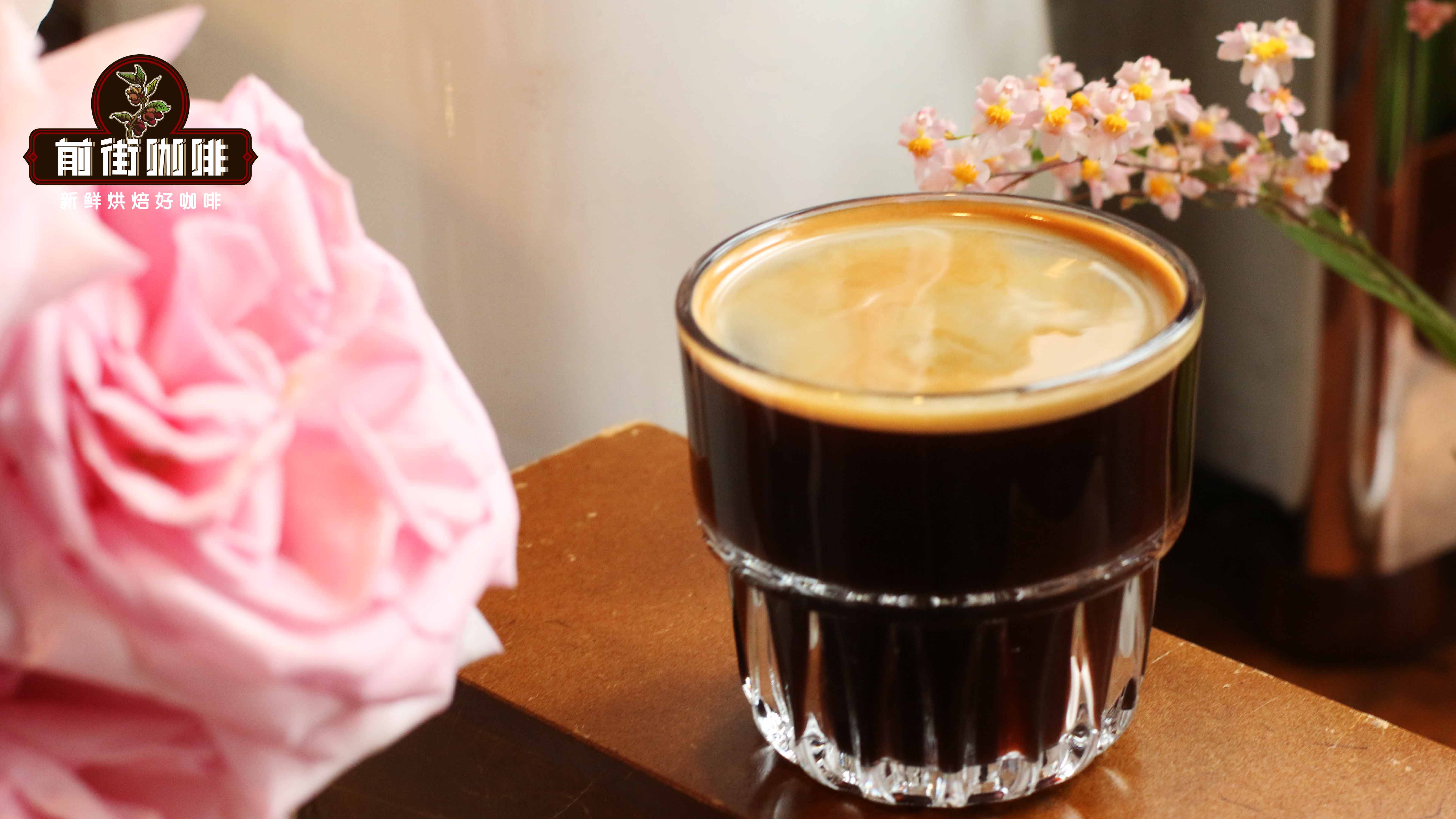
Exploring the bitterness differences between Americano and Espresso: Can iced Americano be made with pour-over or cold brew?
Is Americano or Espresso more prominently bitter? Without a coffee machine, can you use pour-over or cold brew instead to make an iced Americano? Starting from the compositional principles of Americano, this article breaks down its key preparation points and bean selection advice in detail, and recommends several Front Street brand coffee beans, including Front Street Dark Cocoa Blend, Front Street Golden Mandheling SOE, and more, helping beginners get started easily. At the same time, it compares the flavor differences between cold brew and pour-over coffee, and provides a list of floral and fruity beans suitable for low-temperature brewing, such as Huakui, Red Cherry, Guodingding, and others, so you can make a refreshing, sweet, and smooth iced coffee at home too. [more…]
Comparing the Bitterness of Americano and Espresso: Can Iced Americano Be Made with Cold Brew or Pour-Over?
How do Americano and espresso differ in their bitterness? How should coffee beans be chosen to make a delicious Americano? If there is no coffee machine, can cold brew or pour-over be used instead to make an iced Americano? Starting from the compositional principles of Americano, this article will analyze the influence of the espresso machine on flavor and provide specific brewing methods and parameter suggestions. At the same time, focusing on the two methods of cold brew and pour-over, it will explain their essential differences in mouthfeel from iced Americano, and recommend coffee bean types suitable for low-temperature extraction, helping coffee lovers find a suitable brewing path under different conditions. [more…]
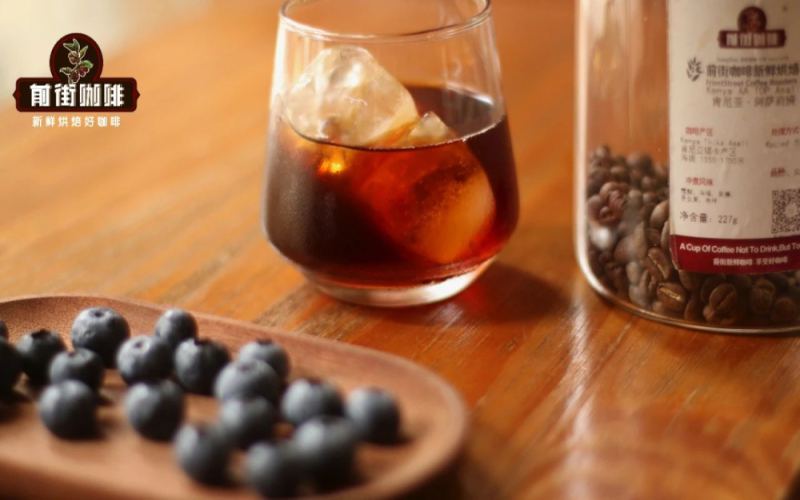
Kenyan Coffee Bean Grading and Variety Analysis: Flavor Differences Between AA and AB Grades and Brewing Guide for Two Front Street Coffee Beans
Kenyan coffee is renowned for its multilayered mouthfeel and juicy acidity, with its flavor core stemming from the two major varieties SL28 and SL34, as well as the unique K72 washed processing method. This article systematically reviews the history of variety selection and breeding, cultivation patterns, trading methods, and flavor differences across producing regions of Kenyan coffee, and provides a detailed interpretation of the origin information, flavor characteristics, and brewing parameters of Front Street Coffee's two Kenyan beans, Sathini and Azalea, helping coffee enthusiasts gain a more comprehensive understanding of the allure of Kenyan coffee. [more…]
How to Store Ground Coffee | Can Ground Coffee Be Put in the Fridge? How Long Does Ground Coffee Last? How Do the Flavor and Taste Change After Coffee Beans Are Ground into Coffee Powder?
It's a well-worn topic that freshly ground coffee brews up more fragrant, and we're also well aware of how important freshness is to coffee flavor. But sometimes, to avoid hassle, many friends have the merchant grind the coffee beans into powder before shipping when buying beans, because then when it's time to brew, there's no need to worry about what grind setting to use, nor [more…]
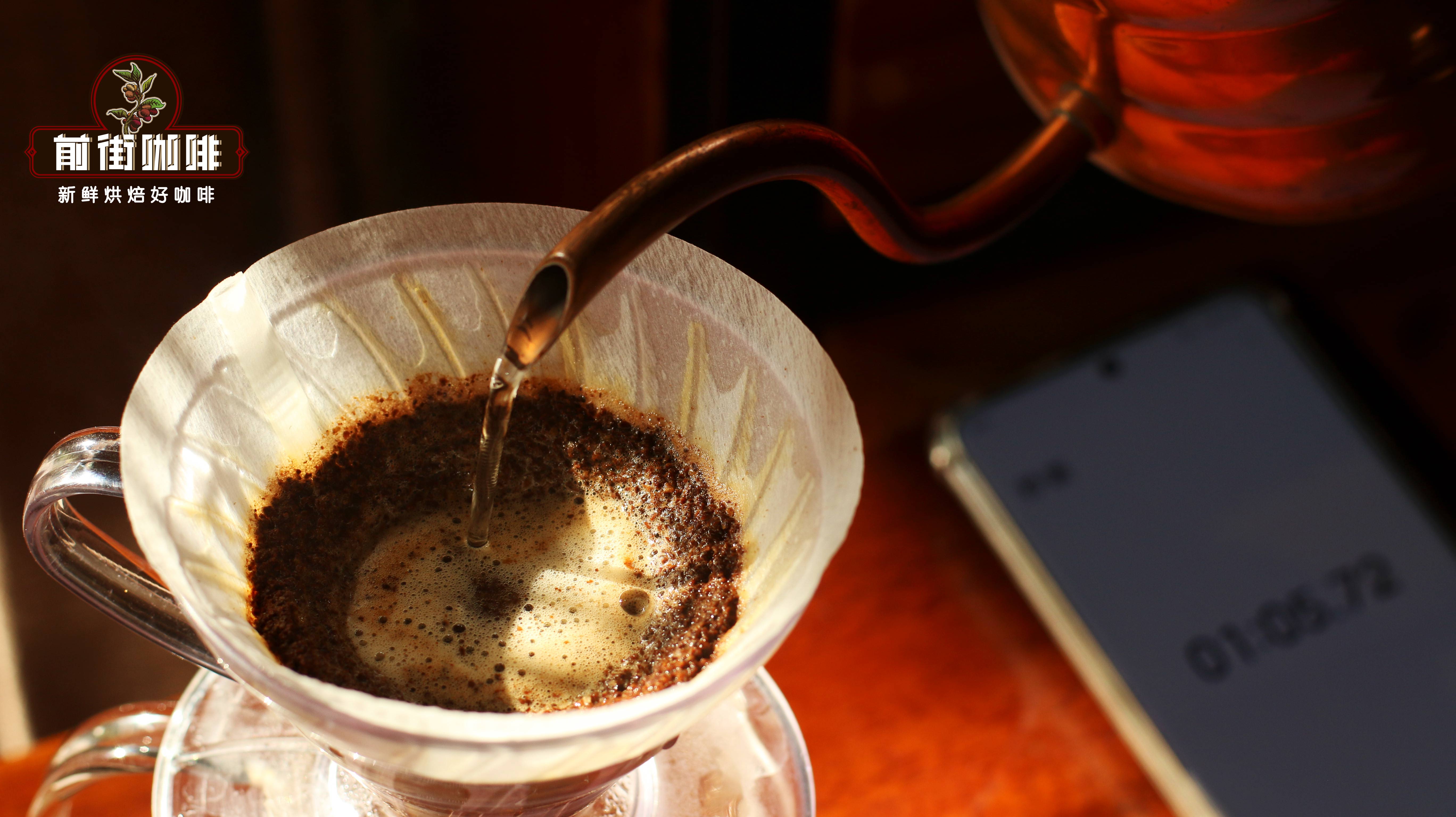
A Complete Guide to Coffee Grind Sizes: How to Identify Five Grind Levels and the Standards for Pour-Over, French Press, and Espresso
Grind size is one of the core variables that determines the direction of coffee flavor, yet many who are just getting into pour-over brewing still feel unclear about its principles and practical application. Using five grind levels as a thread, Front Street Coffee systematically sorts out the logic linking everything from extra-fine powder to coarse powder with different brewing devices, and draws on hands-on cases such as espresso, drip bags, pour-over, siphon, and French press to explain how grind size affects extraction resistance, flow rate, and the final flavor. The article also weaves in the brewing parameters and flavor descriptions of several coffees currently sold by Front Street Coffee, emphasizing that the numerical grind setting itself has limited reference value—what truly matters is the ability to flexibly adjust coarseness and fineness according to different bean characteristics and brewing devices. [more…]